


For as long as I can remember, I have wanted to write—but I never imagined it would one day mean becoming an author. I wrote my first story—an adult horror tale—when I was nine. Les Forces du Mal. I wrote it all by hand, then retyped it on a typewriter, with a patience that did not feel exceptional at the time—only necessary.
As a teenager, I kept writing. I drafted Dark Shadow, a fantasy novel that might have been intended for young readers, had its themes and intuitions not been so unsettling. Even then, what drew me was not spectacle, but what disturbs—what lingers, what leaves a mark.
Years went by. Writing never left me, even when it grew quieter. I knew it was waiting. That it moved at its own pace, independent of my doubts or hesitations.
Then one day, at nineteen, as I sat waiting for an idea to arrive, he appeared for the first time. Tommy. No effort, no announcement. He imposed himself as an obvious truth. He became a pillar, an anchor point—the figure around which every story to come would take shape.
A character with a commanding presence, Tommy stands out for his athletic build, his black coat—long or short—and his brown eyes, intense to the point of seeming almost supernatural. Beneath his austere exterior lies both an unshakeable strength and a deep melancholy, born of a past marked by loss and sacrifice.
Through him, The Chronicles of the Daemon Venatores took form. He is not simply a protagonist, but a constant—an axis around which the narratives are built. I cannot write if he is not there. His presence conditions the existence of the other characters, as though they required his gaze to take shape, his silence to fully exist.
Over time, I came to understand that I was not writing isolated stories, but a cohesive whole—threaded with recurring figures, invisible inheritances, and bonds that defy time. Each story stands on its own, yet none is entirely independent. They answer one another, intersect, sometimes contradict—much like human memory itself.
Writing became less a single act than a patient work of construction: a way to explore, book after book, the same shadowed territories from different angles. What matters to me is not providing answers, but sustaining tension—resonance—open questions.
Even now, I write with that same rigour. I take the time I need, revise extensively, and cut without regret. Each text must find its true balance before it can be released. Nothing is fixed, nothing is final. The stories continue beyond their pages, in what they leave behind—within me, and within readers.
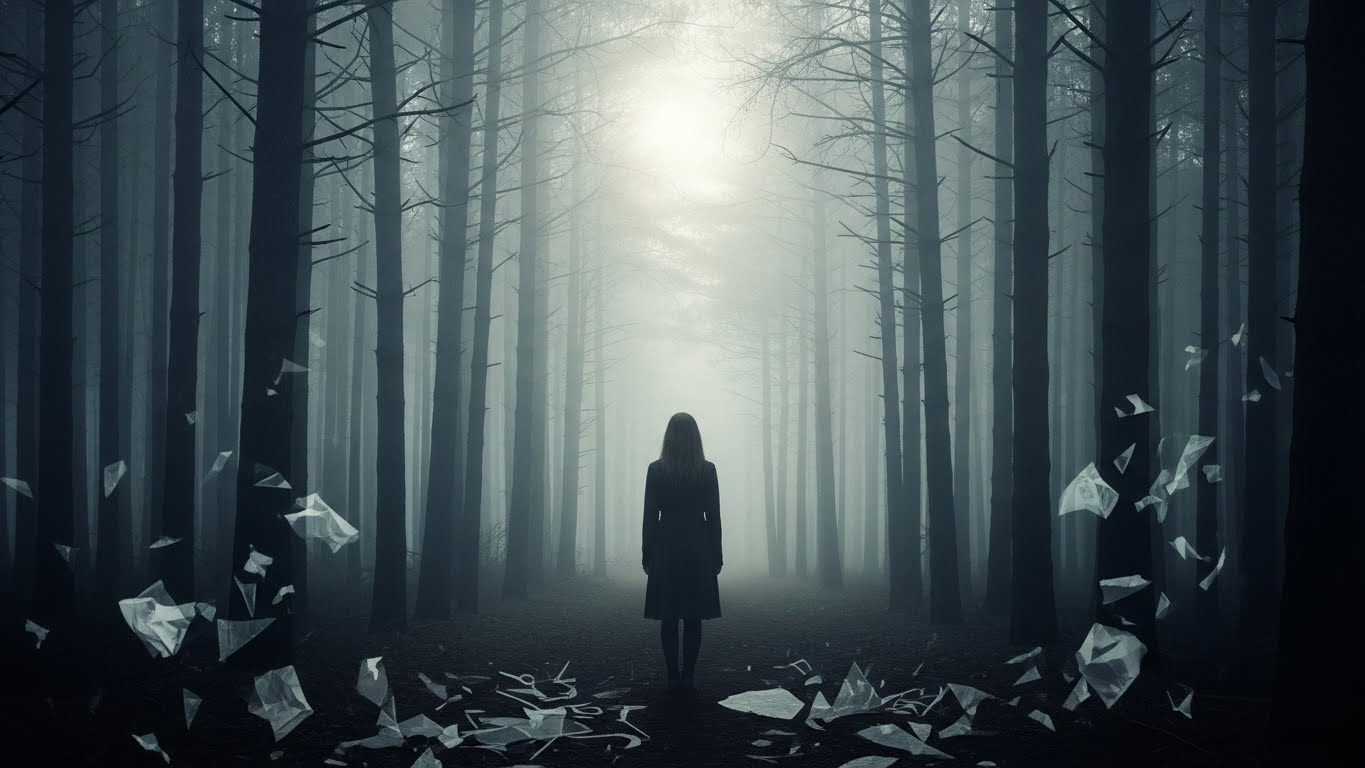
My Writing Style
My writing style is defined by dark, psychological fantasy—unsettling and introspective—rooted in shadows, doubt, and memory.
Slow‑burning and disquieting by nature, these elements come together to create a distinctive and immersive reading experience.
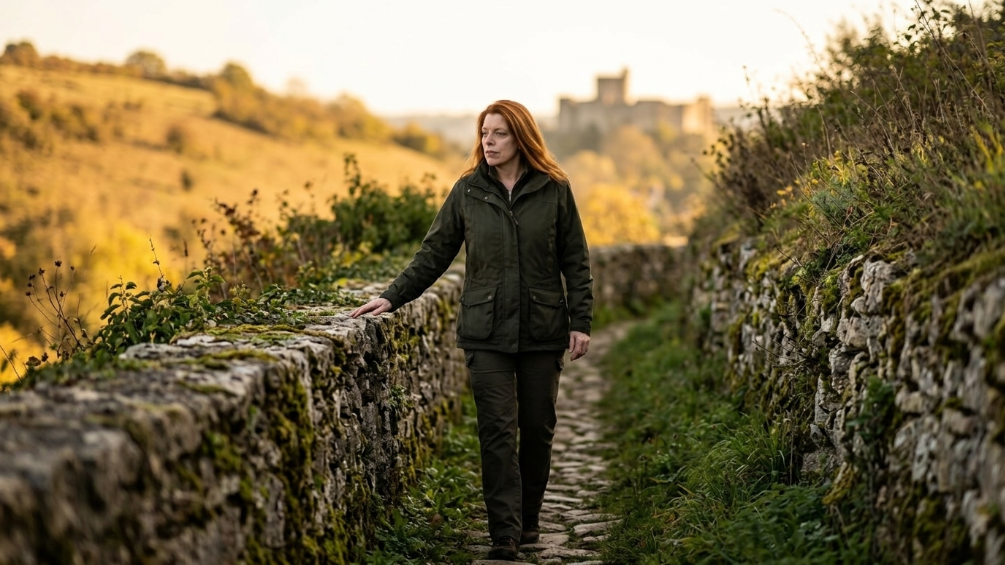
What drives me
Since childhood, I’ve carried a strange connection to the Templars. No one understood why a ten‑year‑old girl was so fascinated by them—and to be honest, neither did I. It was simply there, etched into me like a silent certainty.
Years later, I walked through Gisors, Carcassonne, Rennes‑les‑Bains, and Rennes‑le‑Château. I wasn’t there as a tourist. I moved through those places like someone returning to a familiar land, one she knows without knowing why. I cried along those paths. They weren’t tears of sadness, but of recognition.
These places have profoundly shaped my imagination. They gave meaning and direction to what I write: memory, traces, buried secrets—all those things we carry within us without being able to explain them. My universe comes from there. From those ancient stones, from those history‑laden paths, and from that deep feeling of finally being exactly where I belong.

Writing Method and Rhythm
I write in cafés and coffee shops, or at home with a cup of coffee—sometimes two, three, or four—when time no longer presses. Writing requires an inner availability I never force; I would rather wait for the right moment than produce at any cost.
I have no spectacular rituals. Instead, there are habits that return from one text to the next: a careful attention to atmosphere, rhythm, and the silences between scenes.
The first draft is guided by intuition and by the voices of the characters. I let the story settle in, sometimes slowly, without trying to control everything from the outset.
Revision is essential to my work. I write, print, correct by hand, then return to the text on the computer before printing it again. This process repeats as many times as necessary. I reread, adjust, cut, and rewrite with rigour. I pay close attention to the coherence of each universe, the psychology of the characters, and the gradual rise of unease. Nothing is fixed until the text has found its true balance
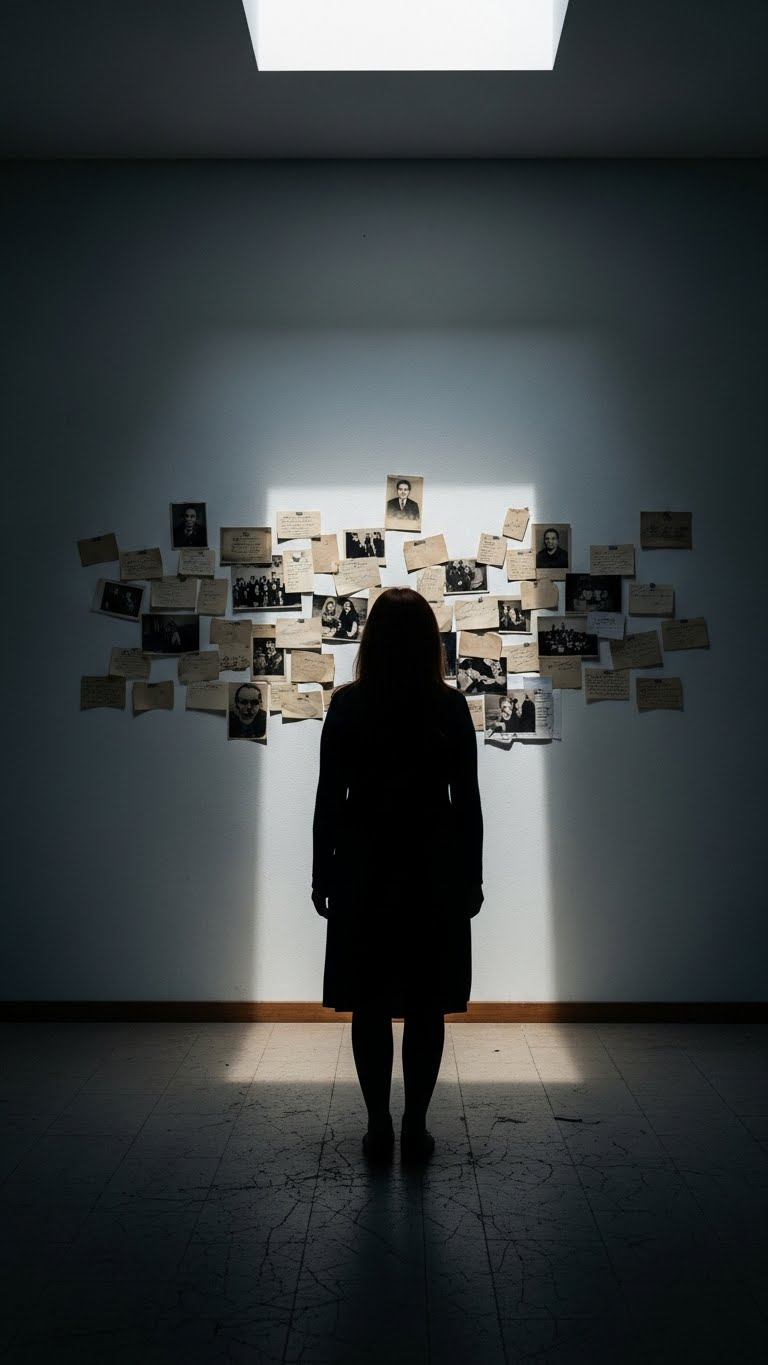
My Writing Themes
My narratives revolve around recurring themes, approached from multiple angles rather than offered as definitive answers.
I write about memory—both individual and collective—about what endures despite time, silence, and the impulse to forget. The characters I portray are often shaped by invisible inheritances, ancient faults, or irreversible choices whose consequences continue to unfold.
Identity, guilt, responsibility, and transmission lie at the heart of my work. What interests me is not the opposition between good and evil, but the spaces in between: gradual shifts, inner fractures, and transformations that occur without full awareness.
The fantastic most often takes root in a familiar reality. It does not erupt as a spectacular rupture, but as a slow alteration of the real—a disturbance that tests the perception and lucidity of the characters.
I also write extreme horror. When it asserts itself, it is never gratuitous or ornamental. The violence is direct, sometimes unsettling, but always in service of meaning, psychology, and consequence. It allows me to explore moral, human, and emotional limits that other narrative forms cannot fully reach.
Whether suggested or explicitly embodied, horror remains for me a narrative language. It reveals what is buried, exposes what is denied, and compels characters—like readers—to look where it would be more comfortable to turn away.
Finally, I explore the notion of choice and consequence. Nothing is without cost, nothing is erased. Actions leave traces, decisions bind, and the stories are built on this principle of continuity, where each narrative speaks to the others and extends their resonance.

Establish a connection with readers
My aim is to build a relationship with my readers grounded in attention, respect, and dialogue. I write for curious minds—those willing to immerse themselves in narratives that require time, observation, and a certain inner openness.
Karole McDowell offers a form of dark, psychological fantasy marked by strong narrative rigor, a controlled sense of pacing, and a constant attention to the coherence of her fictional worlds. Her work favors lasting unease over immediate effect, and speaks to attentive readers willing to engage with narratives built over time.
Céleste